cultivating resilience: anchoring in uncertainty
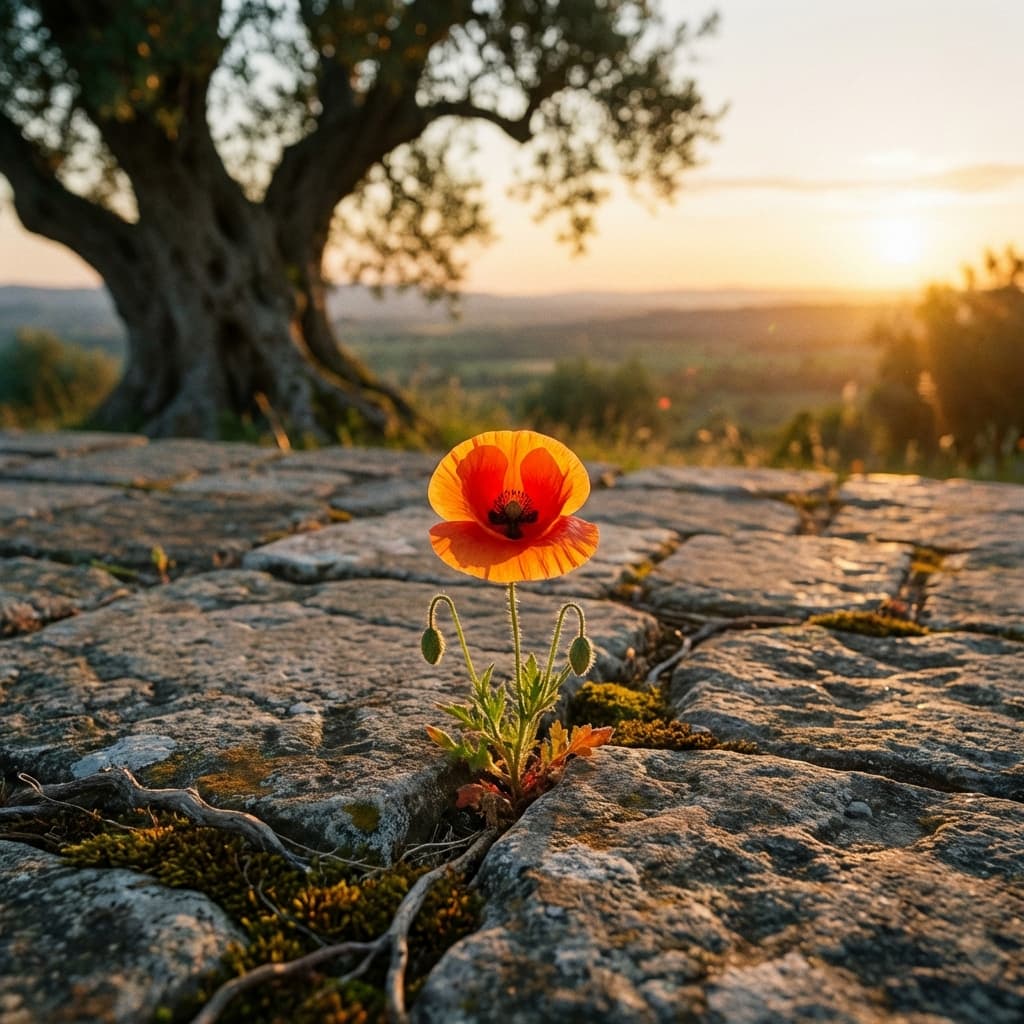
the strength of the willow
there is a common misconception that resilience is like a diamond—hard, unbreakable, and unchanging. but true emotional resilience is much more like a willow tree. it is flexible. it bends in the wind, it loses its leaves in the winter, but its roots are deep, and its spirit is enduring.
resilience isn't about being "tough." it's about being able to experience the full spectrum of human emotion and still find a way forward.
anchoring in the storm
when life feels uncertain, our instinct is often to panic or to shut down. building resilience means creating "anchors"—internal and external practices that keep us grounded when the waves get high.
at squish, we believe that your resilience is already within you. sometimes, you just need a quiet space to remember it.
techniques for cultivating resilience
resilience is a muscle that grows with use. here are a few ways to strengthen it:
- reframing the narrative: when something goes wrong, notice the story you tell yourself. instead of "i can't handle this," try "this is hard, and i am learning how to navigate it."
- the "control circle": draw a circle. inside, write the things you can control (your reactions, your self-care, your boundaries). outside, write the things you can't (the future, other people's actions). focus your energy on what's inside.
- building your "support web": resilience is rarely a solo act. cultivate relationships with people who make you feel seen and supported. knowing you aren't alone is a powerful anchor.
- practicing self-compassion: be as kind to yourself as you would be to a friend. a setback is not a failure; it is a part of the process.
the power of the "small win"
in times of great uncertainty, the big picture can be overwhelming. resilience is often found in the smallest details. making your bed, taking a deep breath (try our box breathing exercise), or drinking a glass of water are all victories.
these small acts send a signal to your brain that you are still here, and you are still capable.
"the oak fought the wind and was shattered; the willow bent and survived."
your roots are deep
remember that you have survived 100% of your hardest days so far. that is an incredible track record. resilience is not about avoiding the storm, but about trusting your ability to weather it.
take a moment today to acknowledge your own strength. you are more than whatever is weighing you down. you are the sky, and the storms are just the weather.
find your center
if you're looking for more grounding techniques, you might find peace in our guide on how to calm an anxiety attack quickly.
reflections & clarity
what is emotional resilience?
emotional resilience is the ability to adapt to stressful situations and 'bounce back' from adversity. it doesn't mean you don't feel the pain; it means you have the tools to navigate through it.
can resilience be learned?
yes, resilience is not a fixed trait. it is a set of skills and behaviors that can be developed and strengthened over time through practice and self-reflection.
how do i stay resilient during long-term stress?
focus on what you can control, maintain a routine of self-care, and seek connection with others. remember that resilience is built in small, daily choices, not just in major crises.