forest bathing 101: how nature heals the modern mind
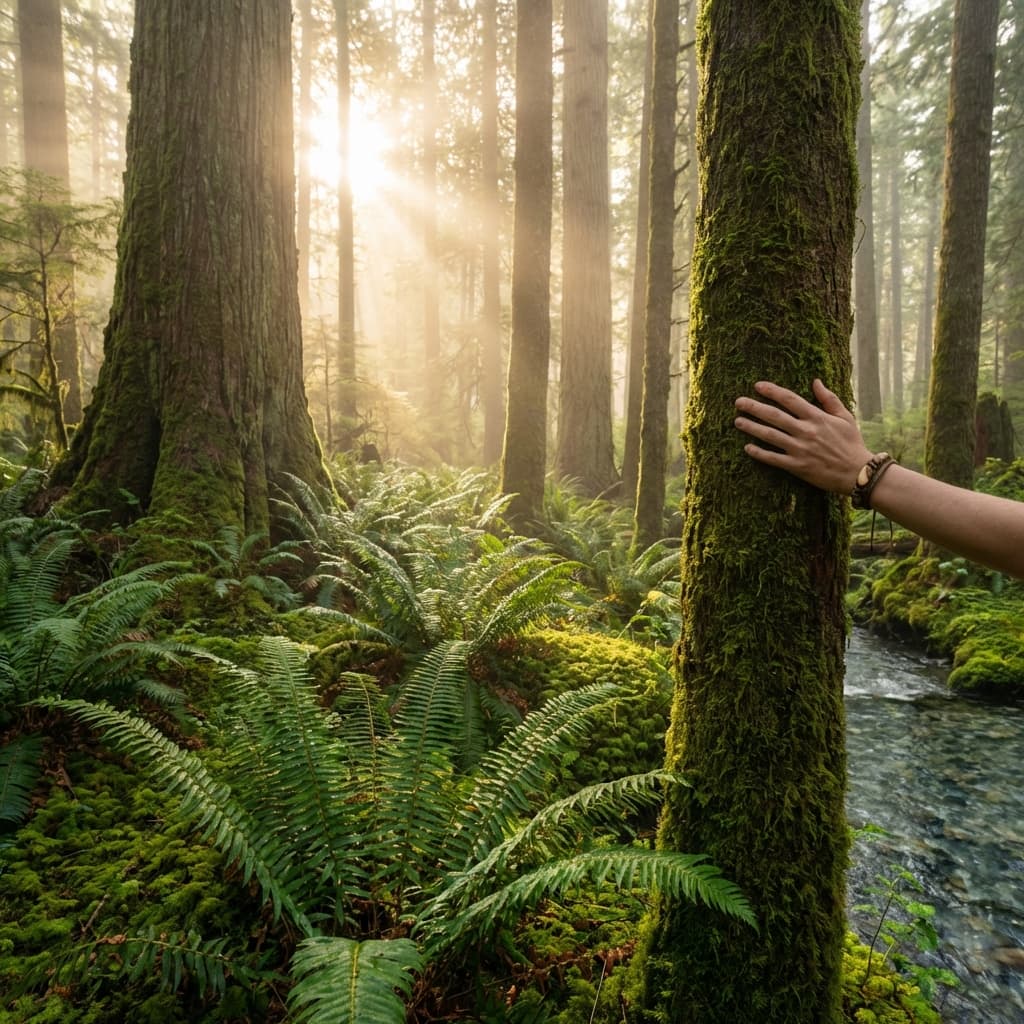
the call of the wild
we are biological beings living in a digital world. for the vast majority of human history, we lived in direct contact with the natural world. today, many of us spend up to 90% of our time indoors. this "nature deficit" is more than just a lack of fresh air; it’s a disconnection from the environment that shaped us.
nature isn't just a place to visit; it is a fundamental part of our mental and physical well-being.
what is shinrin-yoku?
developed in japan in the 1980s, shinrin-yoku (forest bathing) was created as a response to the tech-boom burnout. the goal is simple: to "bathe" in the atmosphere of the forest.
it is not a hike. it is not about reaching a destination or tracking steps. it is about sensory immersion. it is the act of letting the forest in through your eyes, ears, nose, mouth, hands, and feet.
the science of the woods
why does being in nature feel so good? it’s not just in your head. trees release organic compounds called phytoncides to protect themselves from insects and rot. when we breathe these in, our bodies respond by increasing the activity of natural killer (NK) cells—the cells that help our immune system fight off disease.
additionally, the "fractal" patterns found in nature—the way leaves branch or the geometry of a snowflake—are naturally pleasing to the human eye and have been shown to reduce stress levels by up to 60%.
how to practice forest bathing
finding your way back to nature is a gentle process:
- leave the devices behind: (see our guide on digital boundaries). the forest is the only notification you need.
- slow down: walk at a pace that allows you to notice the small things. the moss on a stone, the way the light hits a fern, the sound of a distant bird.
- engage your senses: what can you hear? what can you smell? touch the bark of a tree. feel the cool air on your skin.
- sit in stillness: find a spot that feels right and simply sit. let the forest become accustomed to your presence.
returning home
as you leave the trees and return to your life, try to carry a piece of that stillness with you. notice how your breath has slowed and how the horizon of your mind feels a little wider.
nature is always there, waiting to hold you. whenever the world feels too loud or too heavy, remember that the trees are still standing, and the wind is still blowing. you are part of it all.
"forget not that the earth delights to feel your bare feet and the winds long to play with your hair." — kahlil gibran
nurture your inner quiet
if you're seeking more ways to find peace, explore our guide on the art of doing nothing.
reflections & clarity
what is forest bathing?
forest bathing, or shinrin-yoku, is the practice of spending time in a forest or nature setting and engaging all your senses to connect with the environment. it's not about exercise; it's about being present.
how long should i forest bathe for?
while even 20 minutes in nature can lower cortisol levels, many practitioners recommend spending two hours for a deep, restorative experience.
what if i don't live near a forest?
any green space works. a local park, a botanical garden, or even a backyard with trees can provide the benefits of nature connection. the key is the quality of your attention.