gut feelings: the connection between diet and mood
more than just a stomach ache
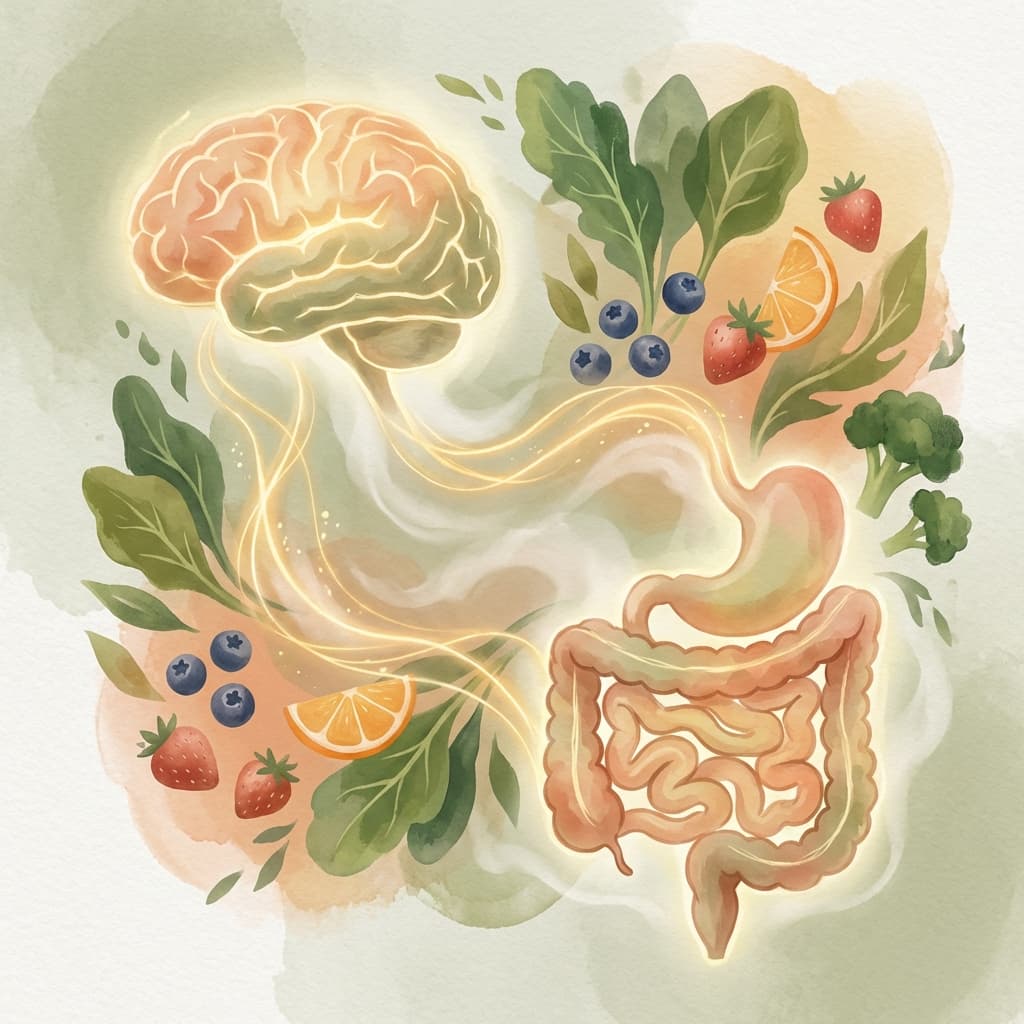
we’ve all felt "butterflies" in our stomach when nervous or a "sinking feeling" when receiving bad news. these aren't just metaphors; they are physical expressions of one of the most powerful connections in the human body: the gut-brain axis.
your gut is often called your "second brain," and for good reason. it contains hundreds of millions of neurons and produces about 95% of your body's serotonin—a key hormone that stabilizes our mood, feelings of well-being, and happiness.
why your gut matters for your mind
when your gut microbiome is out of balance, it can send signals to your brain that manifest as brain fog, irritability, or even symptoms of anxiety and depression. conversely, when you nourish your gut, you are effectively nourishing your mind.
at squish, we believe in a holistic approach to being. it’s not just about what you think; it’s about how your whole system feels.
simple shifts for a happier gut
improving your mood through nutrition doesn't mean a restrictive diet. instead, think of it as adding "mood-boosting" ingredients to your life:
- the power of probiotics: fermented foods like yogurt, kimchi, and kefir are packed with beneficial bacteria that help maintain a healthy gut environment.
- magnesium for calm: foods like pumpkin seeds, spinach, and dark chocolate are high in magnesium, which is known for its ability to help the body relax and manage stress.
- omega-3 fatty acids: found in walnuts, flaxseeds, and fatty fish, these are essential for brain health and have been linked to reduced symptoms of depression.
- hydration is key: dehydration can lead to fatigue and irritability. a glass of water is often the simplest "mood fix" available.
the rhythm of eating
it’s also important to consider how we eat. rushing through a meal while scrolling on a phone (see our thoughts on digital boundaries) can trigger a stress response that hinders digestion.
try to make your meals a moment of quiet. notice the colors, the textures, and the tastes. give your body the space it needs to process both the food and the day.
"let food be thy medicine, but let it also be a moment of stillness."
a journey, not a destination
changing your relationship with food and your gut takes time. start small. maybe it’s just adding one serving of greens today or choosing a piece of fruit over a sugary snack.
every small choice is a message of care to yourself. as your gut heals, you may find that the internal weather of your mind begins to clear, revealing a brighter, more stable landscape.
further reading on self-care
if you're looking for more ways to nurture yourself, check out our guide on self-care practices for depression.
reflections & clarity
what is the gut-brain axis?
the gut-brain axis is the complex communication network that links your enteric nervous system (the 'brain in your gut') with your central nervous system (your brain). they are constantly sending signals to each other.
can food help reduce anxiety?
yes, certain foods—like those rich in omega-3 fatty acids, magnesium, and probiotics—have been shown to help regulate neurotransmitters like serotonin, which can lower anxiety levels.
is there a 'best' diet for mental health?
while everyone is different, a diet rich in whole foods, leafy greens, healthy fats, and fermented foods generally supports better mental and emotional outcomes than a diet high in processed sugars.